Red Asia Kratom has one of those names that sounds simple at first, but gets more interesting once you look closer. Does “Asia” refer to a specific region, a broader growing area, or simply another name in the long list of Red Strain Kratom varieties?
Part of what makes this strain so intriguing is its connection to a limited area of Southeast Asia and the attention it continues to receive in the Kratom market. This Red Asia Kratom review explores what Red Asia Kratom is, where it comes from, how it is processed, and what makes this strain unique among other varieties.
What Is Red Asia Kratom? A Quick Overview
Red Asia Kratom is a specific strain of the Mitragyna speciosa tree — a tropical plant native to Southeast Asia. It is often described as a rare category compared to more widely recognized red strains. The geographical and historical origin of Red Asia Kratom is rooted in the tropical rainforest ecosystems of Southeast Asia, specifically centered on the island of Borneo.
Deconstructing the Name: What Does “Red Asia Kratom” Actually Mean?
“Red” refers to the color of the central vein running through the leaf at the point of full maturity. When Kratom leaves reach this stage, the vein shifts to a deep red, signaling that the alkaloid content has reached its highest concentration.
“Asia” indicates the broad geographic origin of this strain. Unlike strains named after very specific islands or cities (such as Bali or Maeng Da), the “Asia” designation reflects the strain’s cultivation across select tropical zones in Southeast Asia, with Borneo being the primary source.
| ⭐ Learn more about Asia Kratom: What Is Asia Kratom? |
Understanding the Cultivation and Processing of Red Asia Kratom
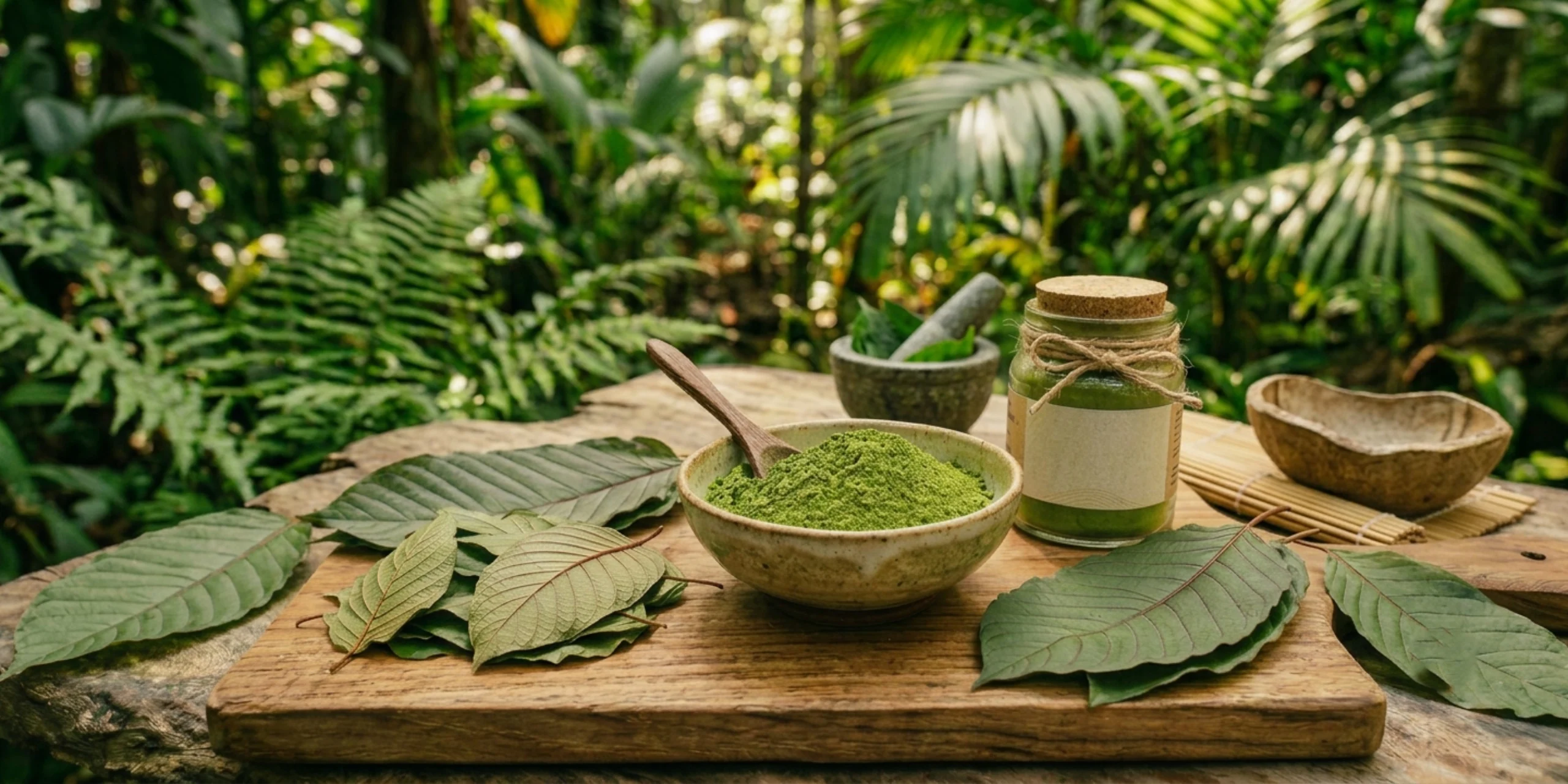
Red Asia Kratom thrives in the tropical environment of Southeast Asia, Borneo particularly, where the combination of high humidity, frequent rainfall, and warm temperatures creates near-ideal conditions for Kratom tree cultivation.
1. Hand-Picking Mature Leaves
- The harvest begins with farmers manually selecting leaves that have reached full maturity stage.
- They carefully pluck individual leaves from the branches of the Mitragyna speciosa tree, choosing those with robust, deep-red veins.
- Hand-picking ensures that only healthy, undamaged plant material is collected, which maintains consistency and prevents lower-quality debris from entering the batch.
2. Specialized Indoor Curing
- Once gathered, the leaves undergo a unique indoor drying process designed to alter their chemical composition.
- Unlike other varieties exposed to direct sunlight, Red Asia leaves are laid out in dark, moisture-controlled indoor facilities or placed in specialized bags to undergo a brief fermentation phase.
- This precise manipulation of light and humidity modifies the plant’s alkaloid profile before the leaves dry completely.
3. Sorting, Stem Removal, And Milling
- Once the leaves have fully dried, they are sorted and prepared for milling.
- Stems and larger plant material are separated from the leaf matter before the remaining material is processed into a fine powder.
- The powder is then sifted to improve consistency and prepared for packaging in various product formats.
4. Quality Control And Packaging
- Before packaging, batches may undergo additional inspection and quality control procedures.
- The finished material is then packaged into powder or capsule formats, depending on the final product requirements.
What Sets Red Asia Kratom Apart? The Distinct Qualities Worth Knowing
So what actually makes Red Asia Kratom worth paying attention to in a crowded market? Here are the specific factors that contribute to its reputation as a rare and distinctive strain:
1. Rare Geographic Origin
Red Asia Kratom is grown in limited locations on the island of Borneo. This geographical constraint means that large-scale farming is not possible, keeping overall supply lower than strains grown across wider regions. Scarcity, in this case, is tied directly to location.
2. Full-Maturity Harvesting Only
Not all Kratom strains are harvested exclusively from fully matured leaves. This unique harvesting approach results in leaves with a denser and more developed alkaloid content compared to younger-leaf harvests.
3. One of the Most Alkaloid Rich Strains in the Asia Family
Among Green Asia, White Asia, and Red Asia, the red variant is often recognized for its higher alkaloid concentration. This places it among the more alkaloid rich varieties within the Asia strain family.
4. A Distinct Alkaloid Profile
The combination of mitragynine, 7 hydroxymitragynine, and other naturally occurring alkaloids gives Red Asia Kratom a chemical composition that is distinct from many other red strains. This profile is shaped by the soil conditions, climate, and leaf maturity associated with its growing region.
5. Limited Market Availability
Compared to widely recognized strains such as Red Bali, Red Borneo, and Red Maeng Da, Red Asia Kratom appears less frequently in the market. Its more limited availability has helped it maintain a distinctive position within the broader Red Kratom family.
Which Red Asia Kratom Formats Are Commonly Available?
Red Asia Kratom is typically available in the following formats:
- Red Asia Kratom Powder: Finely ground, dried Kratom leaves prepared in loose powder form. This is one of the most common product formats available for this strain.
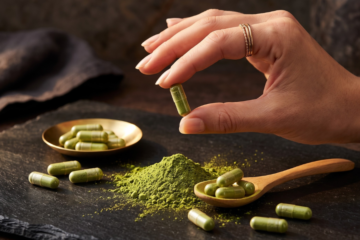
- Red Asia Kratom Capsules: Ground Red Asia Kratom powder enclosed inside gelatin or vegetable capsules. This format offers a more contained and pre-filled product option.
These remain the most commonly available Red Asia Kratom formats across the market.
Key Differences Between Red Asia Kratom and Other Red Strains
Not all Red Kratom varieties are defined by the same factors. Some are named after specific locations, while others are recognized for unique leaf characteristics or cultivation traditions. The comparison below outlines where Red Asia Kratom stands among them.
| Feature | Red Asia Kratom | Red Hulu Kapuas | Red Dragon | Red Elephant |
| Geographic Origin | Broad regional blend; primarily sourced across the island of Borneo | Sourced exclusively from the Hulu forest near the Kapuas River in West Kalimantan | Marketing name for a specific strain sourced from predetermined plantations in Thailand or Indonesia | Sourced from mature trees found deep within the rainforests of Sumatra or Borneo |
| Naming Origin | Named for its broad regional sourcing rather than a single specific location | Named after its specific river and forest geographic location | Named for its vibrant reddish hue and marketing branding | Named after the unusually large, floppy leaves that resemble elephant ears |
| Harvesting Techniques | Hand-picked at full maturity stage | Wild-harvested from hard-to-reach riverbanks, making it more difficult to collect regularly | Selected from specific mature crops showing highly vibrant red vein coloration | Harvested specifically from oversized, older leaves found on mature, old-growth trees |
| Primary Processing Method | Indoor curing with a specialized, dark indoor fermentation phase | Traditional sun-drying combined with indoor airflow matching local river humidity | Often undergoes an extended drying process to maximize the deep color of the powder | Standard outdoor sun-drying followed by a thorough de-stemming of the massive leaves |
| Market Availability | Moderately common; sold as a specialized alternative to standard regional names | Rare / Limited; availability is lower due to the geographic restrictions of the Kapuas region | Highly common; widely available on most offline and online Kratom stores | Moderately rare; limited by the availability of uniquely large leaf sizes on the trees |
⭐ Read more on different Red Kratom strains:
- Red Horn Kratom: Complete Guide And Strain Overview
- Red Elephant Kratom Guide: What Defines This Strain?
Frequently Asked Questions
1. Why Is Red Asia Kratom Harder To Find Than Other Red Strains?
The strain’s limited availability comes down to geography. Red Asia Kratom is grown in a very small number of locations, which means the total supply at any given time is naturally constrained.
2. How Is Red Asia Kratom Different From Green Asia Kratom?
Red Asia Kratom is harvested from fully matured leaves, which carry a higher concentration of alkaloids like mitragynine and 7-hydroxymitragynine. Green Asia Kratom is harvested at an earlier stage of the leaf’s life cycle, resulting in a comparatively lighter alkaloid profile. The two strains share the same geographic origin but differ in maturity and alkaloid density.
3. Are Red Asia And White Asia Kratom The Same?
No, they are not the same. White Asia Kratom is harvested from young Kratom leaves, while Red Asia Kratom comes from fully matured leaves. This difference in harvest timing produces distinct alkaloid ratios, making Red Asia the most alkaloid-rich of the three Asia Kratom varieties.
4. Is Red Asia Kratom Legal?
Red Asia Kratom is legal in many parts of the United States, but regulations vary by state and local jurisdiction. Before purchasing, it is important to review the most current Kratom laws in your area, as some states and municipalities have restrictions or prohibitions in place.
| ⭐ Know more about legality — Is Kratom Illegal? Everything You Need To Know! |
5. How Should Red Asia Kratom Be Stored?
Store Red Asia Kratom powder in an airtight container, away from direct sunlight, moisture, and heat. A cool, dry environment such as a pantry or cupboard is ideal. Proper storage preserves the alkaloids present in the strain and keeps the powder fresh for longer.
| ⭐ Learn best ways to store Kratom products — How To Properly Store Kratom? |
Disclaimer: This article is intended for informational and educational purposes only. The information provided is based on publicly available industry sources, cultivation practices, and product classifications associated with Red Asia Kratom.
Product characteristics, availability, and legal status may differ by jurisdiction. Always review current local regulations and product information before purchasing any Kratom product. This content is not intended to provide medical, legal, or professional advice.