Red Horn Kratom is not the kind of strain name people scroll past without a second look. The “Horn” part raises a natural question, while the “Red” classification places it among one of the most searched Kratom categories.
But beyond the name, buyers usually want these details: where it comes from, why it looks different, which formats are available, and how it compares to other red strains available in the market. This blog walks through those details, so you can understand the strain’s identity before comparing product options online or in stores.
Table Of Contents:
- What Is Red Horn Kratom?
- Key Features That Make Red Horn Kratom Stand Out
- Common Forms Of Red Horn Kratom
- Red Horn Kratom vs Other Red Kratom Strains
- What To Check Before Buying Red Horn Kratom?
- Frequently Asked Questions
- Wrapping Up The Red Horn Kratom Guide
What Is Red Horn Kratom?
Red Horn Kratom is a rare red Kratom variety of the Mitragyna Speciosa plant that is primarily harvested from the tropical forests of Borneo, Indonesia. This strain is recognized for its distinctive leaf structure, which differs visually from many traditional Kratom varieties. It is considered less common than standard regional strains, making it a popular choice amongst most buyers.
Why Is It Called “Horn”?
- The name comes from the pointed serrations that develop along the leaf edges.
- These horn-like tips become more noticeable as the leaves mature.
- Unlike smoother traditional Kratom leaves, Horn varieties have a more distinct leaf shape.
- This unique structure helps separate Horn strains from many other Kratom varieties.
⭐ Wish to know more about Horn Kratom? Read this first: What Is Horn Kratom?
Key Features That Make Red Horn Kratom Stand Out
Red Horn Kratom stands apart mainly because of its unusual leaf shape, but there are more features as well, which make it stand out:
-Distinct Leaf Characteristics
- Red Horn Kratom is best known for the pointed, horn-like edges that form along the leaves as they mature.
- These unusual serrations make the plant visually different from standard Kratom leaves, which are usually smoother around the edges.
- The unique leaf shape is one of the main reasons Horn strains are easily recognizable among Kratom buyers.
-Limited Availability
- Red Horn Kratom is usually described as less common than widely recognized Red Kratom strains such as Red Bali or Red Maeng Da.
- Its lower availability is often connected to the uncommon leaf structure and limited sourcing channels.
- This makes Red Horn Kratom a more specialized name in the Kratom market rather than an everyday strain option.
-Alkaloid Profile
- Like other Kratom varieties, Red Horn Kratom contains naturally occurring alkaloids such as elevated levels of 7-Hydroxymitragynine with Mitragynine.
- Its alkaloid composition can vary depending on factors like growing conditions, harvest timing, and processing methods.
Common Forms Of Red Horn Kratom
Here are some product forms of Red Horn Kratom:
-Red Horn Kratom Powder
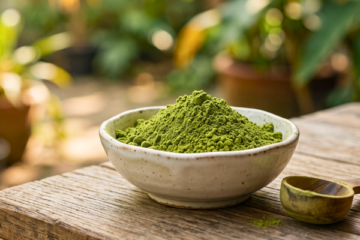
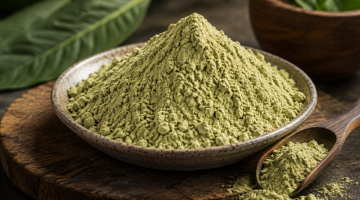
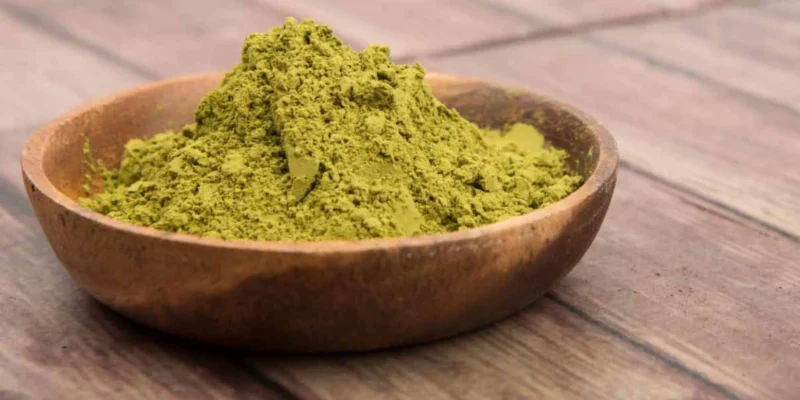
Red Horn Kratom powder is made by drying mature Red Horn Kratom leaves and milling them into a fine powder. This format remains popular because it is widely available, easy to compare across vendors, and often comes in multiple package sizes.
-Red Horn Kratom Capsules
Red Horn Kratom capsules are typically made by filling amounts of Kratom powder into gelatin or plant-based capsules. This form is popular among buyers who want a more convenient and portable option.
⭐ Also Read: Kratom Powder vs Capsules: Key Differences
Red Horn Kratom vs Other Red Kratom Strains
Here is a clear difference between Red Horn Kratom and other Kratom strains:
| Features | Red Horn Kratom | Red Elephant Kratom | Red Bali Kratom | Red Maeng Da Kratom |
| Origin | Commonly associated with Borneo, Indonesia | Usually sourced from Thailand or Indonesia | It comes from Indonesia, despite the “Bali” name | Primarily sourced from Thailand and Indonesia |
| Leaf Maturity | Made from mature leaves with horn-like edges | Often produced from large, broad, elephant-ear-shaped leaves | Typically harvested from fully mature leaves | Usually associated with mature leaves selected |
| Leaf Appearance | Distinct pointed “horn” serrations along the edges | Known for unusually large leaf size | Standard smooth-edged Kratom leaves | Thick, dark green leaves with no horned edges |
| Processing Style | Often associated with extended drying and oxidation | Commonly processed through traditional red drying methods | Usually prepared through longer drying stages | Often linked with selective drying and blending methods |
| Availability | Less common and more niche | Moderately available | One of the most widely available Red strains | Commonly available through many Kratom vendors |
⭐ Also Read: Red Elephant Kratom Guide: What Defines This Strain
What To Check Before Buying Red Horn Kratom?
Here’s what you should check before buying Red Horn Kratom from any local store or online vendor:
-Third-Party Lab Testing
Reliable Red Horn Kratom vendors should provide access to independent lab testing reports for their products. These reports help verify alkaloid content, detect contaminants such as pesticides and heavy metals, and generally provide greater product transparency.
-AKA GMP Standards
The American Kratom Association’s GMP program is one of the most recognized quality benchmarks in the Kratom industry. Vendors that follow AKA GMP-qualified processing practices are expected to meet specific standards for cleanliness, handling, manufacturing, and labeling.
-Clear Sourcing Information
A trustworthy vendor should be transparent about where their Red Horn Kratom is sourced and processed. Since Red Horn is commonly associated with Indonesian-grown Kratom, clear sourcing details can help you better understand product consistency and authenticity.
-Bulk Purchasing Options
For shoppers who regularly purchase Kratom products, bulk ordering may offer better overall value and convenience.
Buy Kratom Bulk USA is one option that focuses on bulk Kratom powder and Kratom capsules while maintaining quality that helps you compare larger-quantity orders with more confidence.
Frequently Asked Questions
1. Is Red Horn Kratom Legal To Buy?
The legality of Red Horn Kratom depends on the country, state, or local regulations where you live. In the United States, Kratom remains legal in many states, but some states, counties, and cities have restrictions or bans in place.
⭐ Read more: Is Kratom Legal In My State?
2. How Should I Store Red Horn Kratom Powder?
Red Horn Kratom powder should be stored in an airtight container away from direct sunlight, heat, and moisture. Keeping the powder in a cool, dry place can help maintain product quality over time.
Many people also prefer storing Kratom in sealed packaging to reduce exposure to air and humidity.
⭐ Read more: How To Properly Store Kratom?
3. What Should A Red Horn Kratom Review Include?
A helpful Red Horn Kratom review may mention packaging, product condition, delivery, labeling clarity, customer support, and overall shopping process.
4. Why Is Red Horn Kratom Considered Less Common?
Red Horn Kratom is generally viewed as a more niche strain because of its distinctive horn-shaped leaf structure and more limited market availability compared to widely distributed Red Kratom varieties.
5. Can Red Horn Kratom Be Found In Local Stores?
Red Horn Kratom may be available in specialty botanical stores and local Kratom retailers, although availability often depends on regional demand and vendor inventory.
⭐ If you want, you can check the Kratom store locations here.
Wrapping Up The Red Horn Kratom Guide
Red Horn Kratom stands out for its horn-shaped leaf edges, its classification as Red Kratom, and its less common presence compared to strains like Red Bali or Red Maeng Da. This guide covered its basic identity, origin of the name, key features, powder and capsule forms, comparison points, and a buying checklist.
Before choosing any Red Horn Kratom product, check the label, packaging, lab testing details, reviews, and vendor transparency. A little product research can make the buying process clearer and more informed.
Disclaimer: This article is for informational and educational purposes only. Red Horn Kratom and other Kratom products are not intended to diagnose, treat, cure, or prevent any disease. The details shared here should not be taken as medical, legal, or professional advice. Kratom laws may vary by country, state, city, or county, so always check local regulations before purchasing. Product availability, labeling, testing details, and sourcing information may also vary by vendor and batch.