White Kapuas Kratom is basically a regionally named variety that comes from the Kapuas Hulu area in West Kalimantan, Indonesia. The name “White Kapuas” simply blends its geographic origin with the “white” classification commonly seen in the Kratom market.
In this White Kapuas Kratom guide, we’ll break down what that name really means—looking at where it comes from, how it’s processed, what’s known about its alkaloid makeup, the different product formats it comes in, and how it compares to other Kratom varieties. So, by the end of this guide, you will know everything about this unique strain.
Table Of Contents:
- White Kapuas Kratom: Key Characteristics at a Glance
- What Is White Kapuas Kratom? A Look at Its Origin and Regional Sourcing
- How White Kapuas Kratom Is Harvested and Processed
- Inside White Kapuas Kratom: An Alkaloid Composition Overview
- White Kapuas Kratom Product Options
- White Kapuas Kratom vs Other Kapuas Color Varieties: Key Differences
- How White Kapuas Differs From Other White Kratom Strains
- What Should You Look For When Buying White Kapuas Kratom?
- Frequently Asked Questions
White Kapuas Kratom: Key Characteristics at a Glance
Before we look more closely at each characteristic, here’s a quick snapshot of what defines White Kapuas Kratom:
| Characteristic | White Kapuas Kratom |
| Source | Upstream banks of the Kapuas River |
| Origin | Borneo, Indonesia |
| Leaf Maturity | Harvested during the earlier stages of the leaf growth cycle |
| Strain Category | White Kratom classification |
| Processing Style | Leaves are dried indoors away from direct sunlight, then milled into powder |
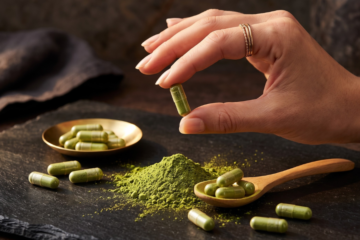
| Available Format | Powder, capsules |
| Key Differentiator | White coloration of the central veins and ribs on the underside of the leaves |
What Is White Kapuas Kratom? A Look at Its Origin and Regional Sourcing
White Kapuas Kratom is a White-classified strain of Mitragyna speciosa sourced from the Kapuas River region of West Kalimantan, on the Indonesian side of Borneo.
⭐ Here is some key information to know before moving ahead:
- Botanical source: Mitragyna speciosa, the same tree species behind every Kratom strain.
- Region: The Kapuas River basin, West Kalimantan, Indonesian Borneo.
- Name origin: Often labeled “White Hulu Kapuas,” since “Hulu” refers to the upstream section of the river where the trees grow.
- Growing conditions: Mineral-rich alluvial soil and consistent rainforest humidity along the riverbanks.
- Farming scale: Collected by a limited number of local farmers rather than large commercial operations, which keeps overall supply small.
How White Kapuas Kratom Is Harvested and Processed
White Kapuas Kratom moves through three main stages, from leaf selection in the Kapuas region to drying and final milling.
Step 1. Sourcing and Leaf Selection
- Harvesting takes place in rainforest areas along the upstream, or “Hulu,” region of the Kapuas River in Borneo.
- Leaves with pale, white-colored central veins are selected from Mitragyna speciosa trees.
- These leaves are commonly collected during an earlier stage of growth, when the white coloration is more noticeable.
- Freshly harvested leaves are washed, and damaged or discolored material is removed before drying.
Step 2. Drying and Leaf Preparation
- Selected leaves are dried indoors or beneath shaded shelters away from direct sunlight.
- Ventilated drying conditions gradually reduce moisture while helping maintain the leaf’s natural chemical composition.
- After drying, larger stems and central leaf structures are separated from the remaining material.
Step 3. Milling and Final Packaging
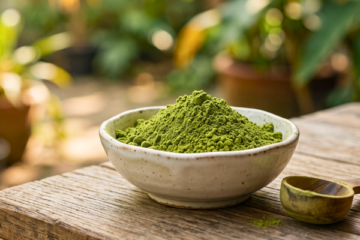
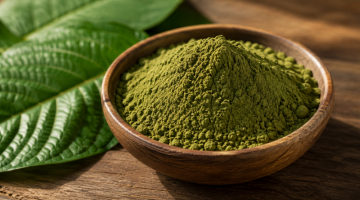
- The dried leaves are broken down and passed through milling equipment to create fine White Kapuas Kratom powder.
- The powder is sifted to remove larger fibrous plant particles and improve consistency.
- Finished powder is then sealed in protective packaging to limit exposure to moisture and air.
| ⭐ Trying Kapuas Kratom for the first time? Read our detailed guide and know more: |
Inside White Kapuas Kratom: An Alkaloid Composition Overview
Every Kratom strain is defined in part by its alkaloid makeup, and White Kapuas is no exception.
Mitragynine is the primary alkaloid present in White Kapuas Kratom, alongside smaller amounts of secondary alkaloids such as paynantheine and speciogynine. This composition is shaped directly by the region’s soil and the leaf’s harvest timing.
Factors That May Shape the Alkaloid Profile
- Harvest timing: Younger leaves, picked for White classification, carry a different alkaloid balance than fully matured leaves.
- Soil composition: Mineral-rich alluvial deposits along the Kapuas River contribute to leaf development.
- Tree maturity: Older, established trees can produce a more developed alkaloid content than younger plantings.
- Drying method: Indoor or shaded drying helps preserve alkaloid levels compared to prolonged direct exposure.
- Regional microclimate: Humidity and rainfall patterns specific to the Kapuas basin play a role in leaf development.
White Kapuas Kratom Product Options
Here are the two most commonly available White Kapuas Kratom products:
| Aspect | White Kapuas Kratom Powder | White Kapuas Kratom Capsules |
| Format | Finely milled Kratom leaf material | Kratom powder enclosed in capsule shells |
| Processing | Dried leaf material is milled into powder | Powder undergoes an additional encapsulation stage |
| Packaging | Often available in resealable bags or bulk containers | Commonly packaged in bottles, pouches, or capsule bags |
| Product Presentation | Loose powder format | Individual capsules in a pre-filled format |
⭐ Learn more about each Kratom format in detail:
White Kapuas Kratom vs Other Kapuas Color Varieties: Key Differences
White Kapuas isn’t the only classification to come out of this region.
White Kapuas vs Green Kapuas Kratom
- Both strains are sourced from the same Kapuas River region, but they’re separated by harvest timing.
- White Kapuas is picked earlier in the leaf’s development, while Green Kapuas leaves are allowed additional time to mature before harvesting, resulting in a different alkaloid balance between the two.
White Kapuas vs Red Kapuas Kratom
- Red Kapuas leaves are left on the tree the longest of the three classifications, reaching full maturity before harvest.
- This extended growth period gives Red Kapuas Kratom a distinct alkaloid composition compared to the earlier-harvested White Kapuas, even though both originate from the same regional trees.
| ⭐ Know more about the Kapuas Kratom strains and their differences: |
How White Kapuas Differs From Other White Kratom Strains
White Kratom strains may share the same color classification, but their regional origins and botanical characteristics can differ considerably. Let’s take a closer look at what makes White Kapuas different from other varieties available in the market:
| Strain | Origin | Leaf Morphology | Market Availability |
| White Kapuas | Kapuas River, West Kalimantan, Borneo | Standard leaf shape, harvested from remote riverbank trees | Limited due to remote sourcing |
| White Sumatra | Sumatra Island, Indonesia | Standard leaf shape from volcanic-soil-grown trees | Widely available |
| White Elephant | Various Indonesian growing regions | Notably large, broad leaves with drooping edges | Limited, due to leaf-selection requirements |
| White Horn | Borneo (Kalimantan) | Distinctive serrated, “horn-shaped” leaf edges | Limited, considered a specialty strain |
💡 Know more on White Kratom strains and their core differences in our guides:
- White Sumatra Kratom: Origin, Characteristics, and Alkaloid Profile
- White Horn Kratom Guide: Everything to Know About This Distinct Strain
- White Elephant Kratom Guide: Key Characteristics and Background
What Should You Look For When Buying White Kapuas Kratom?
Since White Kapuas comes from a genuinely limited growing region, sourcing transparency matters more than it does with more common strains.
Check the following details before you add-to-cart any product:
- ✔️ Origin details that reference the Kapuas or Hulu Kapuas region.
- ✔️ Batch-specific lab reports or a Certificate of Analysis.
- ✔️ Clear strain labeling that identifies the White Kapuas strain and product classification.
- ✔️ Batch or lot identification that corresponds with relevant product documentation.
- ✔️ Bulk quantity options with clearly stated package weights or capsule counts.
For larger Kratom orders, bulk purchasing can provide access to different quantity options in powder and capsule formats.
⭐ Buy Kratom Bulk USA offers bulk Kratom powder and Kratom capsules, with lab testing and product details available across its catalog. This gives shoppers a convenient way to review larger-quantity options and compare product specifications before ordering.
Frequently Asked Questions
1. Why Is It Also Called White Hulu Kapuas?
“Hulu” translates to “upstream” and refers to the specific upper section of the Kapuas River where the strain is harvested, so both names describe the same regional Kratom.
2. Does White Kapuas Refer to a Separate Kratom Species?
No. All Kratom strains, including White Kapuas, come from the single Mitragyna speciosa species; the name reflects region and harvest classification, not a distinct species.
3. What Is the Best Way to Store White Kapuas Kratom?
Keep the powder or capsules in a sealed, airtight container away from direct light and moisture to help preserve the product over time.
💡 Know more on — How to properly store Kratom
4. Does White Kapuas Kratom Have Seasonal Availability?
Yes, because harvesting is limited to a remote region with a small number of farmers, availability can fluctuate throughout the year.
Key Strain Takeaways
- White Kapuas Kratom is sourced from the upper Kapuas River region of West Kalimantan, Borneo, and is also known as White Hulu Kapuas.
- Its White classification comes from early-stage leaf harvesting, distinguishing it from the Green and Red Kapuas varieties grown in the same region.
- The strain’s alkaloid composition is shaped by regional soil, harvest timing, and drying methods specific to the Kapuas basin.
- Limited farming infrastructure in this remote region means supply and availability can vary, making sourcing transparency an important factor when buying.
Disclaimer: This content is provided for general informational and educational purposes only. Kratom laws, product availability, sourcing details, and labeling requirements may vary by location and may change over time.
Always review current local regulations, product labels, and available batch-specific laboratory documentation before purchasing. Buy Kratom Bulk USA does not make claims regarding outcomes associated with Kratom products.