Hulu Kapuas Kratom is a regional Kratom category associated with the Kapuas Hulu area of West Kalimantan, Indonesia. Unlike broader-market names such as Bali, Borneo, or Maeng Da, Hulu Kapuas is associated with a more specific sourcing region known for traditional harvesting and post-harvest processing practices.
This guide covers the regional background of Hulu Kapuas Kratom, common harvesting and drying methods, an overview of alkaloids, color classifications, available product forms, strain comparisons, and key buying details to review before ordering online.
| ⭐ Hulu Kapuas Kratom: What This Blog Covers – Meaning and regional background of Hulu Kapuas Kratom – Information about the Kapuas Hulu region and market classification – Differences between Red, White, and Green Hulu Kapuas Kratom – Processing methods and drying styles – Alkaloid overview and strain comparisons – Common product forms and buying considerations |
What Is Hulu Kapuas Kratom?
Hulu Kapuas Kratom is a regional Kratom variety associated with the Kapuas Hulu area of West Kalimantan, Indonesia. It is sourced from Mitragyna speciosa trees grown near the Kapuas River in Borneo.
In the Kratom market, Hulu Kapuas is commonly available in Red, White, and Green strains, with each category shaped by differences in harvesting stage, drying methods, and processing style rather than by separate plant species.
💡 Why Is It Called Hulu Kapuas Kratom?The name is derived from its geographical origin: “Hulu” refers to the remote, upstream areas of the Kapuas River, while “Kapuas” refers to the river and regency where Kratom is natively sourced. |
Understanding Hulu Kapuas Kratom Processing Methods
- Leaf Selection & Harvesting: Mature Mitragyna speciosa leaves are typically hand-harvested from trees growing near the Kapuas Hulu region of West Kalimantan, Indonesia. Harvest timing may differ depending on the intended red, white, or green color classification.
- Initial Cleaning Stage: After harvesting, the leaves are sorted and cleaned to remove damaged material, dust, or unwanted particles before drying begins.
- Drying Methods: The leaves are then dried using methods such as:
- Sun drying
- Shade or indoor drying
- Controlled drying environments
- Fermentation-based processing in some batches
These drying variations are among the main factors linked to final color categorization.
- Color Classification: Once drying is complete, the material is grouped into red, white, or green categories based on harvesting stage and processing style rather than being separate plant species.
- Grinding and sieving: Once fully dried, the leaves are ground into fine powder and passed through screens for a cleaner, more even final grind.
- Final packaging: The finished powder or capsules are packed and labeled with details such as strain name, color category, batch code, and format.
Hulu Kapuas Kratom Alkaloid Profile Overview
Hulu Kapuas Kratom contains naturally occurring alkaloids found in Mitragyna speciosa, but the exact profile can vary by various factors like batch, leaf maturity, drying method, and storage conditions.
- Primary Alkaloid Composition: Like most Mitragyna speciosa varieties, Hulu Kapuas Kratom contains Mitragynine and 7-Hydroxymitragynine.
- Presence of Additional Alkaloids: This regional strain is noted for a diverse array of minor alkaloids that contribute to its overall profile. These include Paynantheine, Speciogynine, and Speciociliatine.
Understanding Hulu Kapuas Kratom Colors
Hulu Kapuas Kratom is commonly available in red, white, and green strains.
Let’s take a quick look at the key differences:
| Hulu Kapuas Variety | Harvest Stage | Common Processing Methods |
Red Hulu Kapuas Kratom | Mature leaves | Extended drying, fermentation-style processing, and sun drying |
White Hulu Kapuas Kratom | Younger leaves | Indoor drying, controlled light exposure |
Green Hulu Kapuas Kratom | Mid-maturity leaves | Balanced drying methods, mixed drying environments |
Red Hulu Kapuas Kratom
- Commonly associated with mature leaf harvesting
- Often prepared using longer drying periods during post-harvest processing
- Typically recognized for its red color classification
- Processing style plays a major role in how this category is identified in the market
White Hulu Kapuas Kratom
- Generally linked to younger or earlier-stage leaf harvesting
- Commonly dried indoors or under controlled airflow conditions
- Usually associated with shorter drying durations compared to Red varieties
- Identified under the white color classification based on harvesting and drying methods
Green Hulu Kapuas Kratom
- Usually prepared using balanced indoor and shaded drying techniques
- Processing methods are intended to maintain the natural green color classification
- Commonly associated with mid-maturity leaf harvesting
- Positioned between the Red and White Hulu Kapuas categories in terms of processing approach and market classification
⭐ Read more: Red vs Green Kratom: Key Differences
Hulu Kapuas Kratom vs Other Indonesian Strains: What’s The Difference?
Many Indonesian Kratom strains come from similar tropical regions, but differences in sourcing areas, harvesting stages, drying methods, and processing styles help separate one strain category from another.
Here’s a simple comparison between Hulu Kapuas Kratom and other commonly available Indonesian Kratom varieties:
| Kratom Strain | Origin | Harvesting Style | Processing Style | Market Classification |
| Hulu Kapuas Kratom | Kapuas Hulu, West Kalimantan, Indonesia | Harvested from Mitragyna speciosa trees grown near the Kapuas River region | Processed through sun drying, indoor drying, or fermentation-style preparation depending on the color category | Region-specific Indonesian Kratom classification |
| Bali Kratom | Indonesian trade classification commonly associated with Borneo-sourced Kratom | Harvested from cultivated Kratom trees across Indonesian growing regions | Commonly processed through outdoor and indoor drying before grinding | Broad export-market Kratom category |
| Borneo Kratom | Borneo Island regions, including Kalimantan, Indonesia | Harvested from regional Kratom farms and forest-grown trees | Processed through standard regional drying and powder preparation methods | Geographic Kratom classification linked to Borneo |
| Maeng Da Kratom | Indonesian trade-based Kratom classification | Produced using selected leaf batches and blended regional sourcing methods | Prepared using commercial drying, grinding, and post-harvest blending methods | Commercial market classification rather than a single region |
⭐ Read more:
Common Forms Of Hulu Kapuas Kratom
Hulu Kapuas Kratom is commonly available in the following formats:
Hulu Kapuas Kratom Powder
Hulu Kapuas Kratom powder is made by drying and grinding Mitragyna speciosa leaves into a fine powdered form. It is commonly listed by color category, such as Red, White, or Green Hulu Kapuas Kratom, depending on the vendor’s labeling.
Hulu Kapuas Kratom Capsules
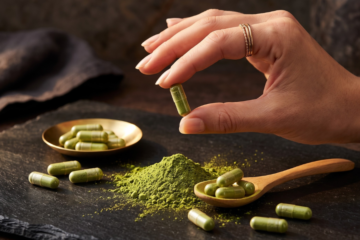
Hulu Kapuas Kratom capsules contain Kratom powder enclosed in capsule shells. They are usually labeled with the strain name, color category, capsule count, and other batch or product details
Where To Buy Hulu Kapuas Kratom?
Buy Kratom Bulk USA can be a suitable place to check for Hulu Kapuas Kratom, especially for shoppers who prefer bulk Kratom powder or bulk Kratom capsules options from one vendor.
- Buy Kratom Bulk USA focuses on Kratom powder and capsules for bulk quantity orders.
- Follows American Kratom Association, GMP standards, and industry processing guidelines.
- Third-party lab testing provides greater clarity on product quality and batch information.
- Certificates of Analysis may be available upon request for batch-level details.
- Bulk-friendly pricing makes it easier to order larger quantities of Kratom powder or capsules from a single source.
Common Questions On Hulu Kapuas Kratom
Is Hulu Kapuas A Regional Name Or A Trade Name?
Hulu Kapuas is primarily known as a regional Kratom name associated with the Kapuas Hulu area of West Kalimantan, Indonesia. However, some vendors may also present it as a market classification for products sourced from nearby regions.
Why Is Hulu Kapuas Kratom Harder To Find?
Hulu Kapuas Kratom is tied to a more specific regional identity, so it appears less often than broad names like Bali, Indo, Borneo, or Maeng Da. Limited listings and changing vendor stock can also make it harder to spot online.
⭐ Read more: Where To Find Kratom Powder For Sale In Bulk
Where To Buy Hulu Kapuas Kratom Online?
You can check Buy Kratom Bulk USA for Hulu Kapuas Kratom products, especially if you prefer buying in larger quantity orders. Always review the product label, color category, batch details, and COA access before ordering from any online vendor.
Is Hulu Kapuas Kratom Legal In My Area?
Kratom laws vary by state, county, and city, so legality depends on your exact location. Check your current local rules and the vendor’s shipping restrictions before placing an order.
⭐ Read more: Is Kratom Legal In My State?
What Should I Check In A Hulu Kapuas Kratom Review?
A good review should cover origin, strain labeling, Red, White, or Green category, product form, batch details, COA access, and vendor transparency. It should avoid vague claims and focus on clear product information.
Key Takeaways On Hulu Kapuas Kratom
- Hulu Kapuas Kratom is a regional Kratom variety linked with the Kapuas Hulu area of West Kalimantan, Indonesia.
- Its identity is shaped by origin, harvesting stage, drying style, and market classification.
- Red, White, and Green Hulu Kapuas Kratom are color categories, not separate plant species.
- Powder and capsules are the most common forms available across vendor menus.
- Before ordering, check labeling, batch details, COA access, and vendor transparency.
Disclaimer: This blog is intended for informational and educational purposes only. The content provided does not make any medical, health, or therapeutic claims regarding Kratom or Kratom-related products.
Kratom regulations may vary depending on your location, so always review your local laws before purchasing any product. Product information, sourcing details, and classifications may also differ between vendors and batches.