White Sumatra Kratom has a name that instantly points to two things: its white-veined leaves and its Indonesian origin. But the real interest begins when you look more closely at where it grows, how the leaves are selected, and what goes on behind the scenes before the final product reaches your doorstep.
Sourced from the ancient rainforests of Sumatra, Indonesia, this strain is recognized for its distinctive alkaloid profile, early-stage harvesting process, and established place within the White Kratom category.
Table Of Contents:
- White Sumatra Kratom: Quick Strain Overview
- What Is White Sumatra Kratom?
- Why Is It Called “White Sumatra Kratom”?
- Key Characteristics Of White Sumatra Kratom
- How White Sumatra Kratom Is Harvested And Processed?
- Available White Sumatra Kratom Product Formats
- White Sumatra Kratom Compared: Key Differences Across White Strains
- Quality Checks And Red Flags To Consider Before Buying White Sumatra Kratom
- White Sumatra Kratom Legality And Availability
- Why Buy White Sumatra Kratom From Buy Kratom Bulk USA?
- White Sumatra Kratom FAQs
White Sumatra Kratom: Quick Strain Overview
| Feature | Details |
| Botanical Name | Mitragyna speciosa |
| Origin | Sumatra Island, Indonesia |
| Vein Color | White |
| Harvest Stage | Early maturity |
| Leaf Type | White-colored central vein leaves harvested during early maturity |
| Primary Alkaloids | Mitragynine, Speciogynine, Paynantheine |
| Strain Classification | White Kratom |
| Common Forms | Powder, Capsules, Extract, Crushed Leaf |
⭐ Know more about Sumatra Kratom strain: What Makes Sumatra Kratom Special? A Complete Guide
What Is White Sumatra Kratom?
White Sumatra Kratom is a variety of Mitragyna speciosa — the tropical evergreen tree native to Southeast Asia — cultivated and harvested specifically on the island of Sumatra in Indonesia.
- It belongs to the White Kratom classification, determined by the color of the central leaf vein at the time of harvest
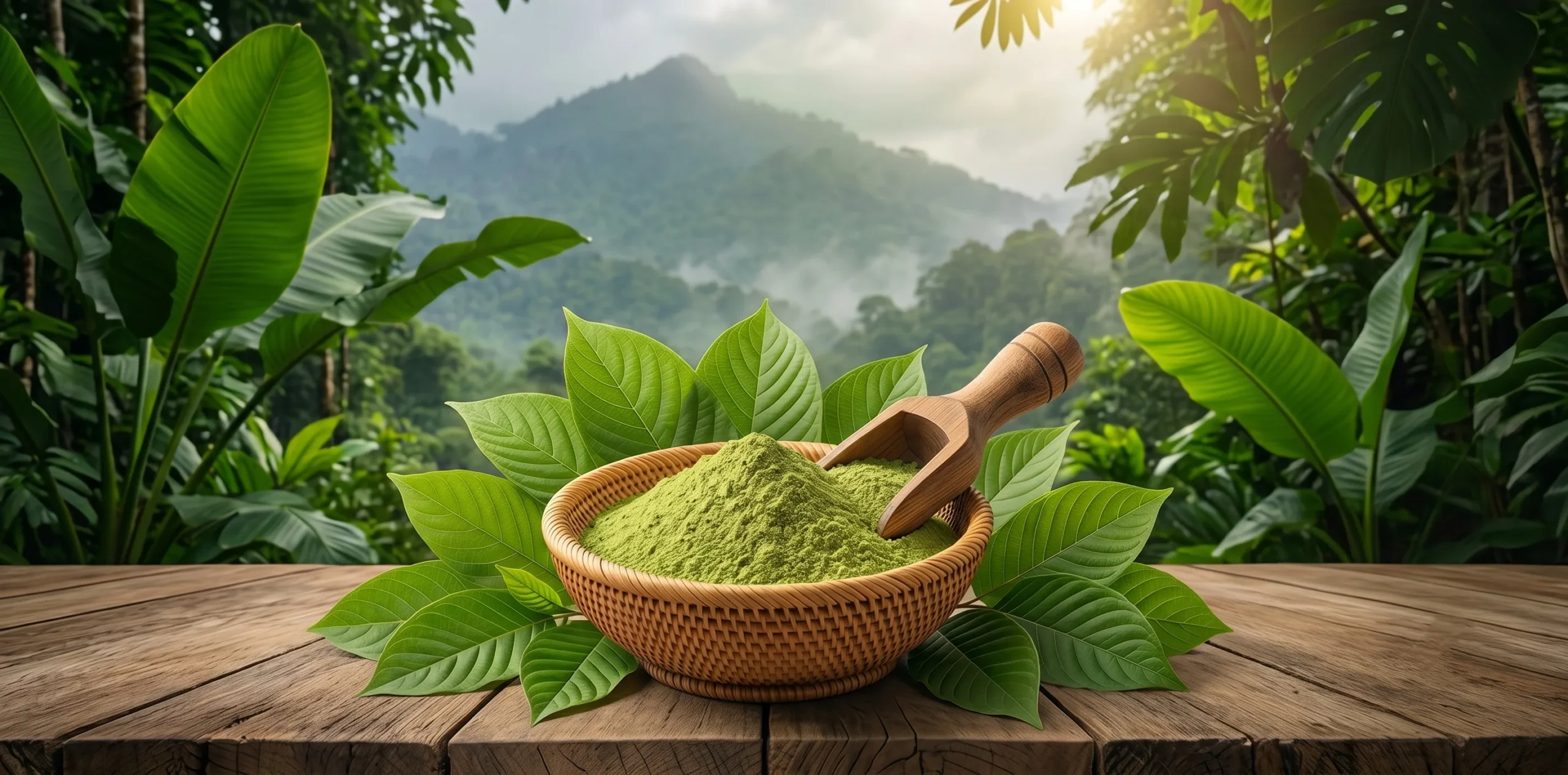
- The trees grow in Sumatra’s dense tropical rainforests, where the soil, climate, and biodiversity create ideal growing conditions
- It is one of the most well-rounded and widely recognized strains in the white Kratom category
💡 Did you know? Sumatra is the sixth-largest island in the world, and its combination of rich volcanic soil, year-round rainfall, and high humidity makes it one of the most fertile regions for Mitragyna speciosa cultivation.
Why Is It Called “White Sumatra Kratom”?
The name tells you exactly what you’re getting — the strain’s geographic origin and its vein color classification:
- “White” — refers to the white-colored central vein visible in the leaf at the time of early harvest. The white color indicates the leaf was picked during the early maturity phase of the plant’s growth cycle.
- “Sumatra” — refers to the island of Sumatra, Indonesia, where this specific variety is grown and sourced.
Key Characteristics Of White Sumatra Kratom
Here is a clear breakdown of what defines this strain at its core:
🌿 Geographic Origin
- Sourced natively from the tropical rainforests and unique soil conditions of Sumatra, Indonesia.
- The island’s volcanic terrain, high humidity (80–90%), and consistent tropical climate are key contributors to the plant’s distinct alkaloid development.
🌱 Harvesting Stage
- Harvested exclusively from Mitragyna speciosa tree leaves displaying white central veins during early maturity.
- This early-stage harvest is what classifies it as a White Kratom strain and directly shapes its alkaloid composition.
⭐Alkaloid Profile
- White Sumatra Kratom contains naturally occurring alkaloids such as Mitragynine, Speciogynine, and Paynantheine.
- Mitragynine is the dominant alkaloid, while Speciogynine and Paynantheine are present as supporting alkaloids that contribute to the strain’s overall chemical composition.
How Is White Sumatra Kratom Harvested And Processed?
White Sumatra Kratom undergoes several processing stages before reaching the final product form. Here are the steps that go behind it:
- Leaf Selection: Farmers select leaves from Mitragyna speciosa trees grown in Sumatra’s tropical conditions. Leaves with visible white central veins are separated for White Sumatra batches.
- Hand Harvesting: Leaves are carefully collected to preserve the selected material.
- Sorting: Damaged leaves, excess stems, and unwanted plant matter are removed.
- Cleaning: Selected leaves are cleaned before drying.
- Indoor Drying: Leaves are placed in controlled drying spaces with airflow to reduce moisture.
- Curing Stage: Some batches undergo controlled curing to prepare the leaves for milling.
- Milling: Fully dried leaves are ground into fine powder.
- Screening: The powder is filtered for consistency before packaging or encapsulation.
- Packaging: Finished material is sealed into bags, bottles, bulk packs, or extract-ready formats.
Available White Sumatra Kratom Product Formats
White Sumatra Kratom is commonly sold in the following formats:
White Sumatra Kratom Powder
The most widely available and traditional format. White Sumatra Kratom powder is made by grinding dried leaves into a fine, uniform material. It is usually packed in sealed pouches, jars, or bulk bags.
White Sumatra Kratom Capsules
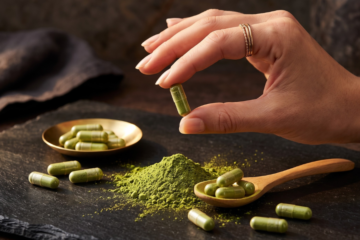
White Sumatra Kratom capsules contain pre-filled powder inside gelatin or vegetarian capsule shells. Capsules offer a convenient, pre-portioned, and portable format — ideal for those who want a no-fuss option.
White Sumatra Kratom Extracts
White Sumatra Kratom extracts are concentrated formats made through extraction and refinement processes. Kratom extracts carry a significantly higher alkaloid concentration per gram compared to standard powder.
Crushed Leaf
Crushed leaf is a less-processed form of Kratom where the leaves are dried and roughly broken down without full milling into fine powder. It tends to have a slightly different alkaloid profile compared to finely milled powder or capsules.
White Sumatra Kratom Compared: Key Differences Across White Strains
This comparison highlights how White Sumatra Kratom differs from other well-known White Kratom strains. Let’s review all of them together:
| Detail | White Sumatra | White Elephant | White Horn | White Maeng Da | White Borneo |
| Primary Origin | Sumatra Island, Indonesia | West Kalimantan (Jongkong / Ketapang), Indonesia | Borneo Island, Indonesia | Originally, Thailand (now heavily cultivated in Indonesia) | Borneo Island, Indonesia |
| Leaf Morphology | Standard oval-shaped leaves with distinct white veins | Unusually oversized, floppy leaves resembling elephant ears | Distinct jagged, horn-like projections along the leaf edges | Selectively grafted or blended leaves for high alkaloid consistency | Classic, rounded, broad-structured Borneo leaves |
| Market Availability | Widely available on major online and offline vendors | Rare; limited seasonal availability due to specialized harvesting demands | Moderate; occasionally scarce due to the specific leaf shape requirement | One of the most widely available white strains on the market | Highly common in almost all vendor inventories |
💡 Know more about White Kratom strains:
- White Horn Kratom Guide: Everything To Know About This Distinct Strain
- Best White Kratom Strains That Are A Must Try
Quality Checks And Red Flags To Consider Before Buying White Sumatra Kratom
Before purchasing White Sumatra Kratom, it is important to review a few quality indicators and warning signs that can help distinguish professionally sourced products from lower-quality ones:
✔️What Buyers Should Look For?
- Third-party lab testing — COAs (Certificates of Analysis) should be accessible and up to date, covering verification of heavy metals, microbials, and alkaloids.
- AKA GMP Certification — Vendors certified by the American Kratom Association follow documented quality and manufacturing standards.
- Clear origin labeling — The product should specifically state Sumatra, Indonesia as the source.
- Consistent powder color — Quality White Sumatra powder is light to medium green; avoid batches that appear brown, yellow, or overly dark.
- Transparent vendor information — Reputable sellers provide sourcing details, batch numbers, and accessible customer support.
- Accurate product labeling — Labels should list strain name, format, weight, and lot/batch information.
❌ What Buyers Should Avoid?
- No lab testing or missing COAs — A major red flag; no accountability for what’s in the product.
- Unrealistically low pricing — Heavily discounted Kratom often reflects compromised sourcing or processing standards.
- Medical or health claims on product pages — Legitimate Kratom vendors do not make medical claims; any that do may be operating outside compliance guidelines.
- Poor packaging — Products that aren’t sealed, labeled, or stored properly may have compromised freshness and potency.
White Sumatra Kratom Legality And Availability
Kratom regulations in the United States are complex and can differ by state, county, and city. You may find White Sumatra products through online Kratom retailers and bulk suppliers in many parts of the United States.
However, Kratom laws are not the same everywhere, so buyers should check the current Kratom summary of state laws and local rules before buying any product.
⭐ Read more to know about Kratom legality: Is Kratom Legal In My State?
Why Buy White Sumatra Kratom From Buy Kratom Bulk USA?
If you’re looking to buy White Sumatra Kratom powder or capsules in bulk, Buy Kratom Bulk USA can be a trusted destination. Here’s why:
✔️ Bulk powder and capsule options: Buy Kratom Bulk USA focuses on larger quantity orders for Kratom powder and capsules. This gives you the freedom to stock up on larger quantities of White Sumatra Kratom products.
✔️ Third-party lab testing: Lab testing helps buyers review batch details, product verification, and quality-related information before placing an order.
✔️ Loyalty program: Buyers can benefit from loyalty rewards, including points, discounts, or future savings on eligible purchases.
✔️ Shipping and order support: Clear shipping timelines, packaging details, and order support help buyers compare vendors more confidently before ordering in bulk.
White Sumatra Kratom FAQs
1.How Should White Sumatra Kratom Powder Be Stored?
Store the Kratom powder in an airtight container in a cool, dry location away from direct sunlight. Avoid areas with high humidity or temperature fluctuations. Properly stored powder retains freshness for 1–3 months under standard conditions, and up to 6–12 months in vacuum-sealed or frozen storage.
👉 Get better storage tips: Where And How To Store Kratom Correctly?
2.What Makes White Sumatra Different From Other Sumatra Kratom Strains?
White Sumatra is distinguished from other Sumatra strains strictly by its early harvesting stage, which targets young leaves with distinct white central veins. Unlike a more mature Green Sumatra Kratom or fermented Red Sumatra Kratom, it is dried entirely indoors, away from sunlight, to lock in specific Mitragynine-dominant alkaloids.
3.Does White Sumatra Kratom Have Seasonal Availability?
White Sumatra Kratom is generally available year-round due to ongoing cultivation and harvesting in Indonesia. However, supply levels can fluctuate based on weather conditions, export logistics, and vendor inventory.
4.How Can Buyers Verify That A Product Is Actually White Sumatra Kratom?
The best approach is to purchase from vendors that provide clear origin information, batch numbers, and third-party Certificates of Analysis (COAs). While lab reports cannot always verify a strain name, they can help confirm product testing and quality standards.
5.Is White Sumatra Kratom Imported Directly From Indonesia?
Most White Sumatra Kratom products sold in the United States originate from Indonesia, where the strain is cultivated and processed before being exported to distributors, wholesalers, and retailers.
Disclaimer: This article is intended for informational and educational purposes only. The information provided here is based on publicly available sources, industry terminology, and general botanical information related to White Sumatra Kratom.
It is not intended to provide medical, legal, or professional advice. Kratom regulations vary by location, and readers should review applicable local laws and regulations before purchasing or possessing any Kratom products. Always refer to product-specific information and third-party laboratory documentation when evaluating Kratom products.