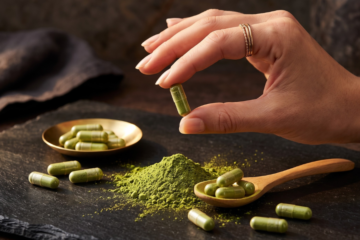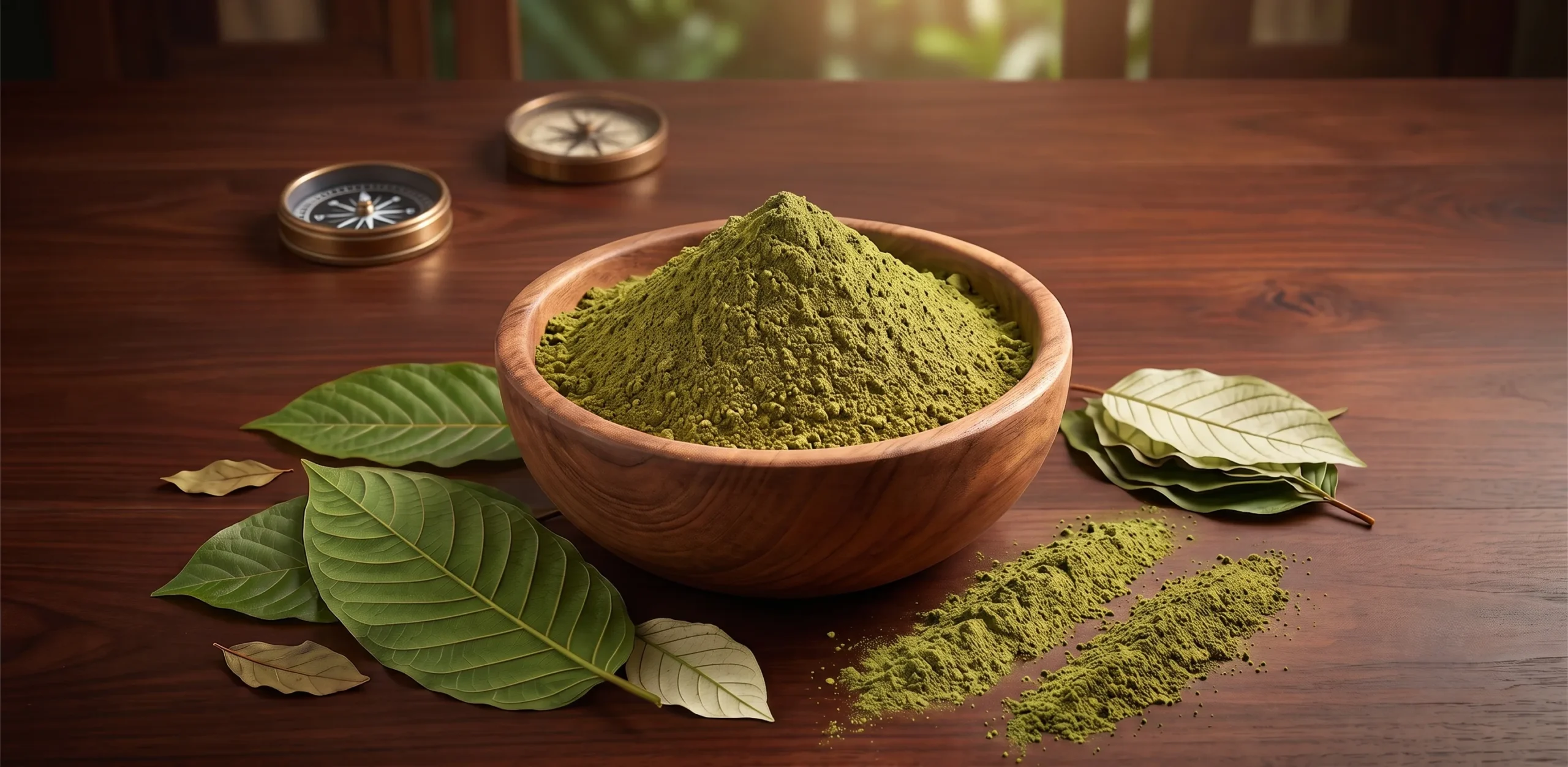
Across Indonesia’s vast Kratom-growing regions, the Kapuas Basin has earned recognition for its long-established cultivation landscape and distinctive environmental conditions. Among all the varieties associated with this region, Red Kapuas Kratom remains one of the most frequently discussed strains.
Its regional identity, cultivation background, and growing environment often make it a topic of interest for those exploring different Kratom varieties. This Red Kapuas Kratom guide takes a closer look at the origin, factors that shape the strain, and every key feature that makes it different from other Kratom strains.
Table Of Contents
- What Is Red Kapuas Kratom?
- Understanding the Kapuas Basin’s Role in Red Kapuas Kratom
- Post-Harvest Handling of Red Kapuas Kratom
- Alkaloid Composition of Red Kapuas Kratom
- Key Features of Red Kapuas Kratom
- Explore the Available Forms of Red Kapuas Kratom
- Red Kapuas Kratom Buying Checklist
- Looking to Buy Red Kapuas Kratom in Bulk?
- Red Kapuas Kratom FAQs
What Is Red Kapuas Kratom?
Red Kapuas Kratom is a unique, red-veined strain of Mitragyna speciosa plant harvested from mature Kratom trees growing along the banks of the Kapuas River in West Kalimantan, Indonesia.
It is classified as a Red Kratom strain based on the leaf category from which it is sourced and is recognized for its strong connection to one of Indonesia’s longest-standing Kratom-growing regions.
⚡Red Kapuas Kratom: Quick Strain Breakdown
- Red: Indicates that this variety belongs to the Red Kratom category.
- Kapuas: Refers to the Kapuas River Basin in West Kalimantan, Indonesia, the region where this variety is traditionally cultivated.
👉 Know more about Hulu Kapuas Kratom: Strain Overview & Key Details
Understanding the Kapuas Basin’s Role in Red Kapuas Kratom
Red Kapuas Kratom is closely connected to the Kapuas River Basin, one of Indonesia’s most established Kratom-growing regions. While the strain belongs to the broader Red Kratom category, its regional identity is shaped by a combination of environmental conditions, cultivation practices, and post-harvest handling rather than a single defining factor
Climate and Soil of the Kapuas Basin
The Kapuas Basin offers conditions that support Kratom cultivation throughout much of the year. Several regional factors contribute to this environment:
|
Together, these environmental conditions make the Kapuas Basin one of Indonesia’s recognized Kratom-growing regions.
Leaf Maturity and Red Kratom Classification
- Red Kapuas Kratom is sourced from leaves that have reached full maturity on the tree.
- At this stage, the leaf veins develop a red coloration, which places them within the Red Kratom category.
- Instead of relying on fixed harvesting dates, growers observe the natural development of the leaves before collection.
- Harvesting at a consistent maturity stage helps maintain uniformity across batches while preserving the regional characteristics associated with Red Kapuas Kratom.
Post-Harvest Handling of Red Kapuas Kratom
Once mature leaves are collected, they go through a carefully managed post-harvest process before reaching their final form.
Controlled Drying Practices
- After harvesting, the leaves are cleaned and arranged for drying.
- Depending on local practices, this stage may involve shaded indoor areas, limited outdoor exposure, or a combination of both to gradually reduce moisture levels.
- The drying approach is carefully managed to create consistency before the leaves move to the next stage of preparation.
Milling and Final Preparation
- After drying is complete, the leaves are finely milled into a uniform powder before packaging.
- Throughout this stage, producers focus on maintaining cleanliness, reducing excess moisture, and preparing batches that meet consistent quality standards.
- As Red Kapuas Kratom is sourced from naturally cultivated trees, slight variations between batches can occur due to seasonal growing conditions, making regional traceability an important part of the sourcing process.
Alkaloid Composition of Red Kapuas Kratom
Like all Mitragyna speciosa varieties, Red Kapuas Kratom naturally contains a range of indole alkaloids. Among these, Mitragynine is the most abundant, while 7-Hydroxymitragynine is typically present in much smaller, naturally occurring amounts.
In addition, Red Kapuas Kratom contains several minor alkaloids, including Speciogynine, Speciociliatine, and Paynantheine, which collectively contribute to its overall alkaloid profile.
⚡Factors That Influence the Alkaloid Profile of Red Kapuas Kratom
|
Key Features of Red Kapuas Kratom
Below are the key features of Red Kapuas Kratom that separate it from other Red Kratom strains:
1. Naturally Cultivated, Non-Grafted Variety
Red Kapuas Kratom comes from naturally cultivated Mitragyna speciosa trees in the Kapuas Basin. The leaves are harvested from original tree lineages rather than trees developed through cross-grafted agricultural techniques, preserving the strain’s regional identity.
2. Multi-Alkaloid Composition
Red Kapuas Kratom contains a naturally occurring mix of alkaloids. While Mitragynine and 7-Hydroxymitragynine are the primary alkaloids, it also includes minor alkaloids such as Speciogynine, Speciociliatine, and Paynantheine, which together make up its overall alkaloid profile.
3. River-Sediment Soil Influence
The trees are cultivated along the Kapuas River in West Kalimantan, where fertile alluvial soil is enriched by seasonal river sediment. Combined with the region’s tropical climate and consistent moisture, these conditions contribute to the tree’s natural development
4. Seasonal Batch Variation
Since Red Kapuas Kratom is cultivated in a natural river ecosystem, slight differences between batches can occur from one harvest season to another. Seasonal weather patterns, growing conditions, and harvest timing all contribute to this natural variation.
Explore the Available Forms of Red Kapuas Kratom
Once you’ve explored the strain’s origin and defining characteristics, the next thing to consider is how Red Kapuas Kratom is commonly available. Let’s take a look at the forms available:
| Product Form | Description |
| Red Kapuas Kratom Powder | Finely milled dried Red Kapuas Kratom leaves, making it one of the most commonly available forms. |
| Red Kapuas Kratom Capsules | Red Kapuas Kratom powder enclosed in pre-filled capsules for a ready-to-package format. |
| Extract | A concentrated preparation produced by processing Kratom leaves into a more refined Kratom product. |
⭐ Learn more about Kratom forms:
Red Kapuas Kratom Buying Checklist
Now that you know every key detail about Red Kapuas Kratom, let’s go through the key pointers which are essential to check before buying any product:
✔️ Verify the Growing Region – Confirm that the product is sourced from the Kapuas River Basin or West Kalimantan, Indonesia.
✔️ Look for Third-Party Lab Testing – Check for a Certificate of Analysis or third-party lab-test report to review whether the product is tested for contaminants or not.
✔️ Review Batch Information – Choose products that clearly mention batch details to improve traceability.
✔️ Net weight or count: Review the listed quantity before placing an order.
✔️ Packaging details — confirm the product is sealed and properly packed to maintain quality.
Looking to Buy Red Kapuas Kratom in Bulk?
If you’re looking to buy Red Kapuas Kratom powder or capsules in bulk, then Buy Kratom Bulk USA tick marks all the above-mentioned points. We focus on larger-quantity orders, giving you the flexibility to stock up without frequent reordering.
Every batch comes backed by third-party lab testing along with clear product and sourcing details. Additionally, buyers may also get loyalty rewards programs that provide points, discounts, or future purchase savings on eligible orders.
Red Kapuas Kratom FAQs
1. What Makes Red Kapuas Kratom Different From Green Kapuas Kratom?
The primary difference is the leaf category from which each variety is sourced. Red Kapuas Kratom is classified within the Red Kratom category, while Green Kapuas Kratom belongs to the Green Kratom category, although both originate from the Kapuas region.
👉 Know more on: Green Hulu Kapuas Kratom: Profile & Complete Guide
2. Is Red Kapuas Kratom A Naturally Occurring Strain?
Yes. Red Kapuas Kratom comes from naturally cultivated Mitragyna speciosa trees growing in the Kapuas River Basin of West Kalimantan, Indonesia. It is associated with one of the region’s long-established Kratom cultivation areas.
3. How Does White Kapuas Kratom Compare To Red Kapuas Kratom?
White Kapuas Kratom is sourced from leaves harvested at an even earlier maturity stage than the green classification, identified by a lighter vein coloration. Red Kapuas Kratom, by contrast, comes from fully matured leaves with deep red coloration on them.
4. Are Red Kapuas Kratom And Red Hulu Kapuas Kratom Two Different Strains?
They are generally regarded as closely related but are not always identical. Red Hulu Kapuas Kratom typically refers to material sourced from the upper (Hulu) Kapuas region, while Red Kapuas Kratom is linked to the broader Kapuas River Basin.
5. Is Red Kapuas Kratom The Same As Red Borneo Kratom?
No. Red Kapuas Kratom is named after the Kapuas River Basin in West Kalimantan, whereas Red Borneo Kratom is a broader regional designation that may include material sourced from different parts of Borneo. Although they share the same island of origin, they are available as separate regional varieties.
💡 Still have more questions on Kratom? check out our FAQs page here.
Disclaimer: This content is for educational and product-identification purposes only. Kratom laws and product availability can differ by location. Always review local regulations, product labels, batch details, and lab reports before placing an order.