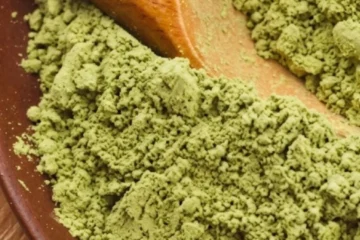
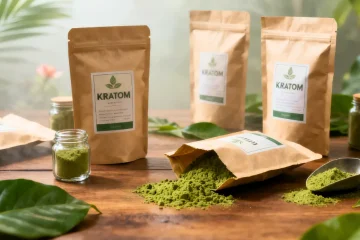
Malay Kratom is often mentioned alongside well-known regional varieties, but what actually defines it? Is it named after its place of origin, the way it is processed, or the different color classifications available today? While many recognize Green Malay Kratom and Red Malay Kratom by name, the broader story behind this regional variety is often overlooked.
In this Malay Kratom guide, you’ll discover where this strain comes from, what distinguishes it from other regional strains, how its different types are classified, and the important factors to consider before purchasing. So the next time you see any Malay Kratom strain, you know all about its features and characteristics!
Table Of Contents
- What Is Malay Kratom?
- What Makes Malay Kratom Distinct?
- Exploring The Different Forms of Malay Kratom
- Malay Kratom Varieties: Green, Red, and White
- Malay Kratom Compared to Other Regional Strains
- Is Malay Kratom Legal?
- Key Factors to Consider Before Buying Malay Kratom
- Frequently Asked Questions
What Is Malay Kratom?
Malay Kratom (also known as ketum) is a regional variety of Mitragyna speciosa plant associated with Malaysia, one of the plant’s native growing regions. Rather than referring to a single plant type, the name represents a regional classification that includes Green, Red, and White Malay Kratom. Today, much of the Malay Kratom available in the market is cultivated and exported from Indonesia due to restrictions on commercial harvesting in Malaysia.
Why Is It Called Malay Kratom?
The name comes directly from Malaysia, the country where this leaf variety was first cultivated and traditionally associated with. It is a regional identifier, similar to how Bali or Borneo Kratom are named after their places of origin.
What Makes Malay Kratom Distinct?
Several agricultural and regional factors contribute to Malay Kratom’s identity. Instead of relying on a single characteristic, its classification reflects the combined influence of cultivation conditions, leaf selection, and post-harvest processing.
1. Tropical Growing Conditions
- Malaysia’s tropical climate provides consistent rainfall, warm temperatures, and high humidity throughout much of the year.
- These conditions support the natural growth of Mitragyna speciosa trees and contribute to the regional characteristics associated with Malay Kratom.
2. Leaf Appearance and Maturity
- Malay Kratom leaves are generally long, oval-shaped, and display clearly visible vein patterns.
- The maturity of the leaves at harvest is one of the factors considered during classification, as leaves with different vein colors are later processed into Green, Red, or White Malay Kratom.
3. Harvesting and Post-Harvest Processing
- After harvest, the leaf goes through a drying and curing process that determines its final classification.
- Timing, light exposure, and the drying method all of these factors together shape how the leaf is categorized once it is fully processed.
4. Regional Naming Rather Than Commercial Branding
Unlike names such as Maeng Da, which are commonly associated with cultivation or commercial naming, Malay is a regional designation. The name reflects its historical connection to Malaysia, similar to other location-based varieties such as Bali, Borneo, and Indo Kratom.
| 💡 Is Malay Kratom Still Cultivated in Malaysia? No, commercial cultivation of Malay Kratom is illegal in Malaysia. While the trees still grow naturally in the wild, almost all commercial “Malay Kratom” sold today is actually grown and harvested in Indonesia. |
Exploring The Different Forms of Malay Kratom
Malay Kratom is available in several product formats. Take a look at how each one differs:
| Aspect | Kratom Powder | Kratom Capsules | Kratom Extracts |
| Form | Finely milled Kratom leaf powder | Finely milled Kratom powder enclosed in capsules | Concentrated Kratom prepared through an extraction process |
| Processing Stage | Dried leaves are milled into a fine powder | Powder is enclosed in capsule shells after milling | Produced by concentrating selected Kratom compounds from the leaf material |
| Packaging | Commonly packed in resealable pouches or bulk bags | Usually available in bottles, pouches, or capsule containers | Commonly packaged in sealed bottles, jars, or airtight containers |
| Format Availability | Widely available | Commonly available | Availability may vary depending on the supplier |
⭐ Learn more about Kratom forms:
Malay Kratom Varieties: Green, Red, and White
Malay Kratom is available in three primary classifications; Green, Red, and White — each determined by leaf coloration and the processing method applied after harvest. Here is how each one is defined:
🟢What Is Green Malay Kratom?
Green Malay Kratom is harvested from the plant during the middle stage of its lifecycle.
- Leaf Characteristics: The veins and ribs of the leaf display a distinct green color at the time of picking.
- Processing: The leaves undergo a balanced drying process, usually involving a mix of indoor drying and short periods of outdoor shade drying.
- Market Status: This is widely considered the most common and standard variety available in the commercial marketplace.
⚪What Is White Malay Kratom?
White Malay Kratom is harvested during the earliest stage of the leaf’s growth cycle.
- Leaf Characteristics: The leaf veins have a whitish or very light green appearance because the leaf is young.
- Processing: The leaves are dried entirely indoors in complete darkness with controlled airflow to prevent any sun exposure.
- Market Status: This variety is produced in smaller quantities due to the precise timing required to harvest the young leaves.
🔴What Is Red Malay Kratom?
Red Malay Kratom is harvested from the most mature leaves of the Mitragyna speciosa tree.
- Leaf Characteristics: The veins running through the leaf turn a dark red color as the leaf reaches full maturity.
- Processing: The harvested leaves require a prolonged, specialized drying process that often includes exposure to direct sunlight or intentional fermentation.
- Market Status: This variety represents the final stage of the leaf’s development cycle before it naturally falls from the tree.
⭐ Read more: Red Malay Kratom: All You Need to Know
Malay Kratom Compared to Other Regional Strains
| Strain | Geographic Origin | Cultivation Environment | Alkaloid Profile | Market Availability |
| Malay | Malaysia (largely grown and exported via Indonesia today) | Warm, humid lowland forests with steady rainfall | Balanced mitragynine content across Green, Red, and White types | Moderately common and easy to find online |
| Bali | Bali, Indonesia | Volcanic soil with high humidity and consistent sun exposure | Higher overall Mitragynine concentration, along with 7-Hydroxymitragynine | One of the most widely stocked strains |
| Indo | Sumatra, Indonesia | Dense rainforest with high humidity year-round | Alkaloid levels vary by growing area within Indonesia | Broadly available, often sold under sub-regional names |
| Borneo | Borneo Island | Grown in swampy areas near river basins | High Mitragynine levels along with other trace alkaloids | Commonly available, though less widespread than Bali or Indo |
| Hulu | Hulu Kapuas, Borneo | Grown near wild riverbanks with unique soil | Moderate mitragynine concentration, with a distinct secondary alkaloid balance | Limited availability, often sold as a specialty option |
Is Malay Kratom Legal?
The legal status of Malay Kratom varies depending on the country, state, or local jurisdiction. While it is available through many online retailers in regions where its sale is permitted, certain locations have restrictions or prohibitions on Kratom products. Before purchasing Malay Kratom, it is important to review the regulations that apply to your area, as availability is directly influenced by local laws.
💡 Know more on — Where Is Kratom Legal?
Key Factors to Consider Before Buying Malay Kratom
Before adding Malay Kratom to your order, a few details are worth confirming.
- Origin Information: Look for products that clearly mention where the Kratom was cultivated or sourced.
- Independent Lab Testing: Choose products that are supported by recent third-party laboratory reports.
- Product Details: The label should clearly identify the Malay variety, product form, and net quantity.
- Packaging Condition: Sealed, tamper-evident packaging helps protect the product during storage and shipping.
Frequently Asked Questions
1. What Is Malaysian Kratom?
Malaysian Kratom is another name for Malay Kratom, referring to the same Malaysia-linked classification available in Green, Red, and White.
2. Is Malay Kratom Naturally Grown Only In Malaysia?
No, while the tree is native to Malaysia, commercial harvesting is restricted there, so almost all commercial Malay Kratom is naturally grown and harvested in Indonesia today.
3. Is Malay Kratom The Same As Maeng Da Kratom?
No, Malay Kratom is categorized strictly by its historical regional origin, while Maeng Da is a separate commercial classification that signifies a blended or high-alkaloid variety.
4. Can Malay Kratom Be Purchased in Bulk?
Yes you can buy Malay Kratom in bulk from Buy Kratom Bulk USA. You can choose from a variety of Malay strains – red, green, white and buy them in powder or capsule format.
Key Takeaways On Malay Kratom
- Malay Kratom is a regional classification associated with Malaysia and includes three primary varieties: Green, Red, and White.
The differences between these varieties are determined by leaf vein color, harvest timing, and post-harvest processing, rather than different plant species. - Although historically linked to Malaysia, most commercial Malay Kratom available today is cultivated and exported from Indonesia due to restrictions on commercial harvesting in Malaysia.
- Malay Kratom is available in powder, capsules, and extract formats, with availability varying depending on the product type and supplier.
- Before purchasing, always review product sourcing, independent lab testing, product labeling, and packaging quality, and ensure Malay Kratom is permitted in your location.
Disclaimer: This article is for general informational and educational purposes only. Kratom laws differ by country, state, county, and city, so readers should review current local regulations before placing an order. Product details, sourcing, labeling, and availability can differ by seller and batch. Always review product labels, third-party lab reports, and packaging details before purchasing Malay Kratom.