Kratom Extract vs Powder is one of the most searched comparisons in the Kratom market—and for a good reason. Both come from the same plant, but once you understand how differently they are processed, everything else falls into place: the formats available, the price differences, the concentration levels, and where each one shows up in stores.
This guide covers the full picture — from how each form is made to what those concentration labels actually mean — so you can walk away with a clear understanding of both.
Here’s the simplest way to put it: Kratom Powder is dried, ground leaf. Kratom Extract is a concentrated form of that same leaf. That single difference in preparation drives every other distinction you’ll encounter — from packaging to price to product format.
What Is Kratom Powder?
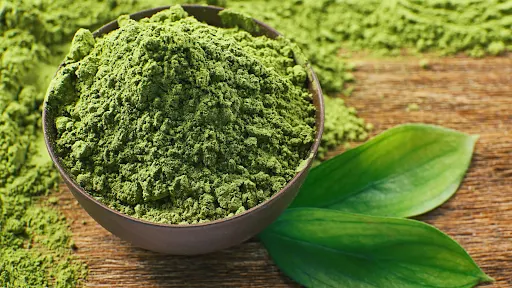
Kratom Powder is made from the leaves of Mitragyna speciosa, a tropical tree native to Southeast Asia. The leaves are harvested, dried, and ground into a fine powder, preserving the full alkaloid profile. It’s the most widely available form of Kratom, found in bulk at most online vendors and local stores.
Common Kratom Powder Strains
Kratom Powder is available across a wide range of strains, typically categorized by vein color — each reflecting differences in the leaf’s alkaloid composition at the time of harvest.
- Red: Harvested from mature leaves; the most widely stocked strain across retail and online stores.
- Green: A mid-harvest leaf; popular for its balanced alkaloid profile.
- White: Harvested early; lighter in color and widely available online.
- Yellow/Gold: Produced through extended drying or blending; less common but carried by most specialty vendors.
What Is Kratom Extract?
Kratom Extract starts from the same leaves as powder, but goes through an additional step after drying: a concentration process that isolates and condenses the alkaloid content. The result is a product with a higher alkaloid density per gram than plain powder: more compact, more specialized, and more expensive.
Extract Forms Available
Kratom Extract isn’t a single product — it comes in several formats, each produced through a different concentration method.
- Liquid Extract/Shots: Dissolved into a water or alcohol-based solution; the most common Extract format in shops.
- Tinctures: Similar to liquid Extract but typically more concentrated, sold in dropper bottles.
- Resin: A semi-solid, highly concentrated form made by reducing boiled leaf material; mainly found through specialty vendors.
- Enhanced Powder: Standard Kratom Powder blended with Extract; looks like regular powder but carries higher alkaloid content.
- Extract Capsules/Gummies: Extract material in a pre-measured, portable form.
The Core Differences At A Glance
Here is a clearer image of Kratom Powder vs Extract to help you understand the differences better:
| Feature | Kratom Powder | Kratom Extract |
| Processing | Dried and ground leaf | Leaf compounds concentrated |
| Concentration | Standard leaf composition | Higher concentration |
| Form | Loose Powder, Capsules | Liquid, Resin, Enhanced Powder, Capsules |
| Market Presence | Widely available | More specialized |
| Price Range | Generally lower | Generally higher |
Key Differences Between Kratom Extract and Kratom Powder
Processing
Before you even touch or see the products, the way Kratom Powder and Extract are prepared is where their paths start to diverge. Here’s a closer look:
Kratom Powder
- Leaves are harvested and dried
- Dried leaves are milled into a fine consistency
- The final product stays close to the original plant material
- No additional refinement beyond grinding
Kratom Extract
- Leaves are harvested and dried (same as powder)
- Leaf material undergoes a concentration process to isolate and condense certain compounds
- The concentrated material is refined into formats like Liquid, Resin, or Enhanced Powder
- This extra step is what structurally separates the extract from the powder
Read More: How To Make Kratom Extract
Potency & Alkaloid Concentration
Kratom Powder
It carries the full botanical profile of the Kratom leaf — every naturally occurring alkaloid, including Mitragynine (the primary alkaloid in Mitragyna speciosa), in the same ratios they exist in the plant. The leaf is dried and ground, and what you get reflects the whole leaf.
Kratom Extract
Kratom Extract takes those same leaves and concentrates the alkaloid content through an additional processing step. The result is a product with an alkaloid density per gram that is significantly higher than that of standard powder.
Put simply, Kratom Powder is full-spectrum — the leaf as nature made it. Kratom Extract is concentrated — the same plant, refined into a denser form.
That difference in alkaloid density is the reason the Extract comes in smaller packaging, commands higher prices, and occupies a more specialized corner of the market than powder does.
Physical Differences
Powder
Kratom Powder has a loose, earthy form. It looks like finely ground leaf because that’s exactly what it is. You’ll usually find it in larger bags or containers, and it looks simple—just dried plant material milled.
What stands out about Kratom Powder:
- Soft, fine consistency
- Larger, standard packaging
- Ground leaf material
- Simple, unrefined presentation
Extracts
Kratom Extract presents itself differently. The packaging is often smaller and more compact. The consistency can vary — sometimes liquid, sometimes resin-like, sometimes a darker, enhanced powder. Even without reading labels, it appears more condensed. There’s a clear sense that it has undergone additional refinement before reaching the shelf.
What stands out about Kratom Extract:
- Smaller, more compact containers
- Denser or darker material
- Liquid or resin formats
- More processed form
Side by side, the contrast becomes clearer. Powder feels open and closer to the leaf. Extract looks processed and concentrated. That distinction is usually the first noticeable difference in the Kratom Extracts vs powder comparison, and it directly reflects how each one is prepared.
Market Availability
Once you move past how they look, the next noticeable difference is where they’re stocked.
Kratom Powder tends to dominate shelf space.
- Common in smoke shops and botanical stores
- Available in multiple strains and package sizes
- Widely listed across online retailers
It’s the standard format, so most stores carry it in larger quantities.
Kratom Extract appears more selectively.
- Often stocked in smaller quantities
- Frequently limited to liquid or enhanced formats
- More commonly found through specialty or online vendors
That distribution pattern mirrors the difference between Kratom Extract vs Kratom Powder: one serves as the foundational format, the other as the refined alternative.
Read More: How to Buy Kratom Extract
The Ratio on the Label: What the Numbers Actually Mean
If you’ve looked at Kratom Extract products, you’ve likely noticed numbers like 2x, 5x, or 10x on the label. These indicate the concentration ratio — how many grams of raw Kratom leaf were processed to produce each gram (or ml) of the final Extract.
- 2x– 2 grams of Kratom leaf per gram of Extract
- 5x– 5 grams of leaf per gram of Extract
- 10x– 10 grams of leaf per gram of Extract
- 50x– 50 grams of leaf per gram of Extract (highly concentrated; less common in standard retail)
So when you see “10x” on a label, it means the producer used ten times the raw leaf material to make that gram of Extract. That’s why Extract is more compact than powder, and why the price per gram is higher — the ratio tells you exactly how much went into making it.
Important Note:
Concentration labeling isn’t fully standardized across the Kratom industry. Different vendors may measure or calculate their ratios differently, so the same “10x” label from two brands doesn’t always mean an identical product.
When comparing Extracts across vendors, look for those that publish a mitragynine percentage alongside the ratio — that’s a more verifiable number. Third-party Certificates of Analysis (COAs) are the most reliable way to confirm what’s actually in a product.
Pros and Cons Of Kratom Powder
Pros
- Maintains the full ground-leaf composition
- Widely available across retail and online stores
- Typically offered in more strain options
- Generally priced lower than the Extract
Cons
- Takes up more storage space
- Less compact in presentation
Pros & Cons Of Kratom Extract
Pros
- Concentrated format
- Compact and space-efficient packaging
- Available in specialized forms like liquid or resin
Cons
- Higher price point
- More limited variety compared to powder
- Not as widely stocked in physical retail locations
Final Thoughts: Kratom Extract vs Powder Comes Down to Processing
The conversation around Kratom Extract vs Kratom Powder often sounds more complicated than it requires to be. But the difference between the two formats is actually simple.
Powder is the leaf — dried, ground, and packaged with its full alkaloid profile intact. It’s the most accessible format, the most cost-effective per gram, and the starting point for most people exploring Kratom.
Extract takes the same leaf further. An additional concentration step increases alkaloid density, resulting in different formats (Liquid, Resin, Enhanced Powder, Capsules, Gummies), higher price points, and smaller packaging.
The numbers on the label — 2x, 5x, 10x — tell you exactly how much leaf went into making each gram of Extract. That ratio explains the price, the compact size, and why Extract sits on a different shelf from powder.
Once you understand the processing difference, everything else becomes easier to understand.
If you want to read more comparisons like this, check our Kratom Powder vs Capsules guide.
FAQs
1. What is the main difference between Kratom Extract and Kratom Powder?
Processing. Kratom Powder is dried and ground leaf — minimal steps, full-spectrum alkaloid profile. Kratom Extract takes those same leaves further, concentrating the alkaloids into a smaller, denser product. That one difference in preparation is what drives everything else: the formats, the price, the packaging, and the availability.
2. What does the ratio on Kratom Extract labels mean?
The number (2x, 5x, 10x, etc.) tells you how many grams of raw Kratom leaf were used to produce each gram of the final Extract. A 10x Extract required 10 grams of leaf per gram of output. Higher numbers mean higher alkaloid concentration.
3. Is Kratom Extract more concentrated than Kratom Powder?
Yes. The additional concentration step increases alkaloid density beyond what’s naturally present in the leaf. Kratom Powder keeps the whole-leaf alkaloid profile as-is — no amplification.
4. Why is Kratom Extract more expensive than Kratom Powder?
Because more raw material goes into making it. A 10x Extract requires 10 grams of Kratom leaf for every gram of final product. Add the processing equipment and extra steps involved, and the cost per gram is genuinely higher than powder — that’s what you’re paying for.
5. Which is more widely available — Kratom Powder or Kratom Extract?
Kratom Powder, by a clear margin. It’s the standard format, so most smoke shops, botanical retailers, and online stores carry it in a range of strains and sizes. Extract is more of a specialty format — you’ll find it online or through dedicated vendors, but it takes up far less shelf space than powder.
6. Does Kratom Extract contain the whole leaf?
Not exactly. While Kratom Extract starts from the same leaves, it is a concentrated format. The final product represents a refined portion of the leaf rather than the complete ground-leaf profile found in Kratom Powder.
7. What is the difference between Kratom Extract Powder and regular Kratom Powder?
Regular Kratom Powder is simply dried and milled leaf, with no major processing. Kratom Extract Powder (also sold as Enhanced Powder) is standard powder blended with concentrated Extract to increase its alkaloid content.
Both look like loose powder, which is why it’s easy to mix them up. Check the packaging — if it says “enhanced,” “ultra enhanced,” or lists a concentration ratio, it contains Extract.
8. Are there storage differences between Kratom Powder and Kratom Extract?
Yes. Kratom Powder does best in a sealed, airtight container away from moisture, heat, and direct light — all of which can degrade the alkaloid content over time.
Liquid Kratom Extract requires a bit more attention once opened: store it in a cool, dark place and keep an eye on the label’s timeframe. Resin and Enhanced Powder follow the same principles as standard Powder. When in doubt, the product label will have the vendor’s specific guidance.
Know the best ways to store Kratom products in your home.
9. What is the difference between Kratom Powder and Kratom Leaf?
Kratom leaf is the raw, dried leaf of the Mitragyna speciosa tree — sometimes sold whole or roughly crushed. Kratom Powder is the same dried leaf ground down into a fine consistency. The botanical content is identical; the only difference is how finely it’s been processed.