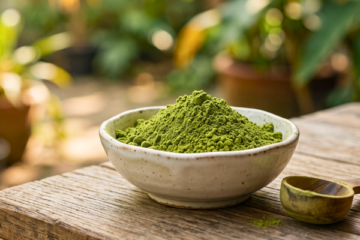
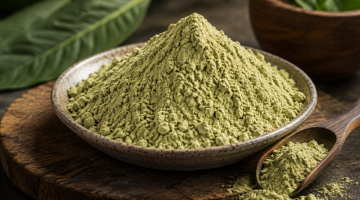
A shopper scrolls through a Kratom catalog late at night, spots Gold Bali, then lands on Red Bali, and suddenly, the same thing ‘gold Kratom vs red’ appears in every tab: what really separates these labels? The names sound close, the product pages often sound even closer, and yet the expectation around each one can feel very different. That is exactly why this comparison matters. Kratom remains a fast-growing category in the U.S. retail landscape, with SPINS data cited by Nutritional Outlook showing $441.4 million in mainstream multi-outlet sales for the 52 weeks ending October 6, 2024, up 21.9% year over year. In a market moving that quickly, clear strain education matters more than ever.
If you are searching for gold Kratom vs red, or trying to understand Gold vs Red Kratom without reading the same recycled points again and again, this guide breaks it down clearly. It covers naming, processing, strain identity, and the frequently searched comparison of gold bali Kratom vs Red Bali, all while keeping the discussion practical and easy to follow.
Gold Kratom vs Red: Quick Answer
Gold Kratom and red Kratom differ mainly in how they are classified and processed. Red Kratom is usually treated as a traditional color category in Kratom labeling, while gold Kratom is often linked to post-harvest drying, curing, blending, or seller-specific naming conventions. Because of this, gold Kratom descriptions may vary more between vendors.
What Is Red Kratom?
Red Kratom refers to a widely recognized category of Mitragyna speciosa, a tropical evergreen tree native to Southeast Asia. In labeling, the “red” designation typically represents one of the traditional color classifications used to group Kratom products across the market. The name is commonly linked to characteristics of the leaf structure and the way the material is processed after harvest.
Key Aspects of Red Kratom
Plant Origin
Red Kratom comes from Mitragyna speciosa, a plant native to countries such as Indonesia, Thailand, Malaysia, and Papua New Guinea.
Leaf Characteristics
The name “red” is associated with the coloration observed in the leaf structure and the mature stage at which the leaves are typically harvested.
Post-Harvest Processing
Drying techniques such as sunlight exposure or controlled curing may influence the final chemical composition of the material.
Alkaloid Composition
Like all strain varieties, red Kratom contains naturally occurring alkaloids, including mitragynine and related compounds. Their relative presence can vary depending on harvest conditions and processing methods.
Commonly Referenced Varieties
Well-known examples include:
- Red Bali
- Red Maeng Da
- Red Borneo
- Red Thai
These names usually combine the red category with regional or catalog-based identifiers.
What Is Gold Kratom?
Gold Kratom is a label used within the Kratom market to describe products that are often shaped by post-harvest processing techniques, blending practices, or catalog-specific naming conventions. Unlike traditional color categories, the “gold” designation is frequently associated with how the Kratom material is dried or prepared after harvest.
Key Aspects of Gold Kratom
Plant Source
Gold Kratom also originates from Mitragyna speciosa, the same Southeast Asian plant species that produces all products.
Processing Methods
The gold label is commonly linked to extended drying, curing, or fermentation-style processing steps that influence the final color and presentation of the powder.
Naming Structure
Unlike standard color categories, “gold” is often a market-driven term. Different vendors may use it to represent specific drying techniques or curated blends.
Alkaloid Profile
The alkaloid composition of gold Kratom may vary depending on the drying or blending methods used after harvest, which can influence how the product is categorized within a seller’s lineup.
Common Catalog Names
Gold Kratom is frequently paired with regional identifiers, such as:
- Gold Bali
- Gold Borneo
- Gold Maeng Da
How Red Kratom And Gold Kratom Are Defined In The Market
The first thing to understand is that red Kratom and gold Kratom are not always defined in the same way across the market.
Red Kratom
Red Kratom is generally treated as a traditional color category in Kratom labeling. It is usually grouped alongside other standard color-based categories used across the industry.
Gold Kratom
Gold Kratom, on the other hand, is often described more loosely. In many cases, it is linked to:
- postharvest processing
- blending methods
- modified drying techniques
- brand-specific naming
That is why gold Kratom is often not viewed as a separate natural category in the same way red is.
Gold Kratom vs Red: The Clearest Difference
At the simplest level, red Kratom is usually positioned as a more established color-family label, while gold Kratom is commonly positioned as a processed or specially presented label.
Recent plant science research reinforces why that distinction matters: Kratom chemistry is influenced by post-harvest handling, along with cultivar and season, so naming tied to processing can produce broader variation than naming tied to a traditional color category alone.
That leads to a practical takeaway:
|
So when someone searches ‘gold Kratom vs red’, the most accurate answer is not just “they feel different.” It is that they are often built around different labeling logic in the first place.
Naming Patterns
Many ranking articles describe red Kratom as having a darker, earthier presentation, while Gold products are often described as smoother in tone, lighter in powder color, or shaped by added drying or curing steps.
Both strains can vary from batch to batch, and scientific literature consistently shows that multiple agricultural and post-harvest variables influence Kratom composition.
Red Kratom vs Gold Kratom: Key Differences At A Glance
At first glance, red Kratom and gold Kratom may seem closely related because both are widely recognized in the market. However, the two labels are not always built on the same logic.
Red Kratom is usually treated as a more standard color category, while post-harvest processing, blending practices, or seller-specific naming often shape gold Kratom.
That is why a side-by-side comparison helps simplify the discussion and makes the distinction easier to understand without overexplaining it.
| Basis of Comparison | Red Kratom | Gold Kratom |
| Origin | Commonly presented as a traditional Kratom color category. | Often associated with post-harvest methods rather than a separate natural category. |
| Naming | Usually follows a more familiar and consistent color-based naming pattern across sellers. | Often used more loosely and may reflect branding, drying style, or blending approach. |
| Natural Category Status | Generally treated as one of the standard Kratom color families in the market. | Commonly not treated as a true natural vein/color category in the same way. |
| Processing Style | Often marketed within a standard category framework. | Frequently linked to extra drying, curing, fermentation-style handling, or blending. |
| Alkaloid Profile | Contains naturally occurring Kratom alkaloids such as mitragynine and related compounds, with composition varying by harvest conditions. | Alkaloid composition may differ slightly due to additional drying or blending processes that influence the final chemical profile. |
| Consistency Across Sellers | Usually more consistent in how the category is presented from one seller to another. | Often less consistent because there is no single market-wide definition. |
| Product Description Style | Listings usually focus on the standard category name first. | Listings often need extra explanation to clarify what “gold” means in that specific catalog. |
| Blending Association | Less commonly described as a blend-based label. | More commonly associated with blending or curated formulation language. |
| Powder Color | Red Kratom powder is often described in darker or deeper-toned color language, though shade can still vary by batch. | Gold Kratom powder is often described with warmer or golden-brown color. |
| Regional Label Pairing | Commonly paired with regional names like Bali, Maeng Da, or Borneo in a more straightforward way. | Often paired with regional names too, but the “gold” part may still depend on processing or branding language. |
| Market Interpretation | Usually understood as a standard category label. | Usually understood as a seller-shaped or process-shaped category label. |
Gold Bali Kratom vs Red Bali Kratom
Gold Bali and Red Bali are both Kratom varieties derived from Mitragyna speciosa, a tropical evergreen tree native to Southeast Asia. Although they share the Bali label, the two are typically distinguished by how they are processed and categorized in the Kratom market.
Red Bali
What it is:
A commonly referenced red-category Kratom variety often associated with traditional color-based classification in catalogs.
Origin
Despite the name “Bali,” most Red Bali Kratom available today is sourced from Kalimantan, Indonesia, a major Kratom-producing region.
Processing
Red Bali is usually produced through conventional drying methods used for red-category Kratom material.
Gold Bali
What it is
Gold Bali is generally not considered a natural leaf color category. Instead, it is often associated with post-harvest processing techniques or curated blends used to create a gold-labeled product.
Origin
Like many Bali-labeled Kratom products, Gold Bali is typically sourced from Kalimantan, Indonesia, rather than the island of Bali itself.
Processing
The gold designation is commonly linked to extended drying, curing, or fermentation-style processing that influences the final powder appearance.
Conclusion
The clearest way to understand gold Kratom vs red Kratom is to stop treating the labels as perfectly parallel. Red Kratom is usually presented as a more standard category, while gold Kratom is often tied to processing, blending, or seller-specific naming. That distinction becomes even more important in searches like gold bali Kratom vs red bali, where one label may communicate a familiar category and the other may communicate a curated product concept instead. Once that difference is clear, product pages become easier to read, comparisons become more accurate, and the search for the right catalog fit becomes much less confusing—so when someone lands on your Buy Kratom Bulk USA blog, shouldn’t the article answer that question better than the rest?
FAQs
What is the main difference between gold Kratom vs red Kratom?
The main difference is usually category consistency versus processing flexibility. Red Kratom is commonly marketed as a standard Kratom color family, while gold Kratom is often marketed as a product shaped by blending, drying, curing, or brand-specific naming.
Is gold Kratom better than Red Kratom?
Better is not a fixed classification in Kratom labeling. Red Kratom is generally treated as a standard color category, while gold Kratom is often linked to post-harvest processing or catalog-specific naming. The distinction usually comes down to how each label is defined within a seller’s product lineup.
Is gold Kratom a real natural color?
Commercial references frequently note that gold is not typically treated as a natural vein category in the same way Red, Green, and White are. It is more often a market term connected to processing or presentation.
Why is gold Kratom called “gold”?
Gold Kratom is called “gold” because the label is often associated with the way the Kratom material is dried, cured, or blended after harvest, which can influence the final color and presentation of the powder. Unlike more traditional color categories, “gold” is usually treated as a market-defined term rather than a strictly natural classification.
Is gold Kratom a blend?
Gold Kratom can be a blend in some product lines, but that is not always the case. Some vendors use the gold label for curated blends, while others use it to describe Kratom shaped by extended drying, curing, or fermentation-style processing. In other words, gold Kratom is not tied to one fixed production method across the entire market.
Why do some Kratom vendors label strains differently?
Some Kratom vendors label strains differently because Kratom naming is not always standardized across the market. A seller may classify products based on color category, regional naming, post-harvest processing, blending style, or internal catalog structure. That is why one vendor’s gold Kratom may not be described in exactly the same way as another vendor’s gold Kratom.
What does the Bali name mean in Kratom strains?
In Kratom strain names, Bali is usually used as a familiar regional-style label rather than a guarantee that the product comes directly from Bali itself. In many cases, Bali-labeled Kratom sold today is sourced from Kalimantan, Indonesia, but the Bali name remains widely used in product catalogs as part of established strain naming conventions.
Why does Kratom powder color vary?
Kratom powder color can vary because of several factors, including leaf maturity, harvest timing, drying conditions, curing methods, and post-harvest handling. Differences in processing can influence whether the final powder is darker, lighter, greener, browner, or more golden in tone. That is why powder color alone does not always tell the full story behind a Kratom label.